
HABITAT & BEHAVIOR
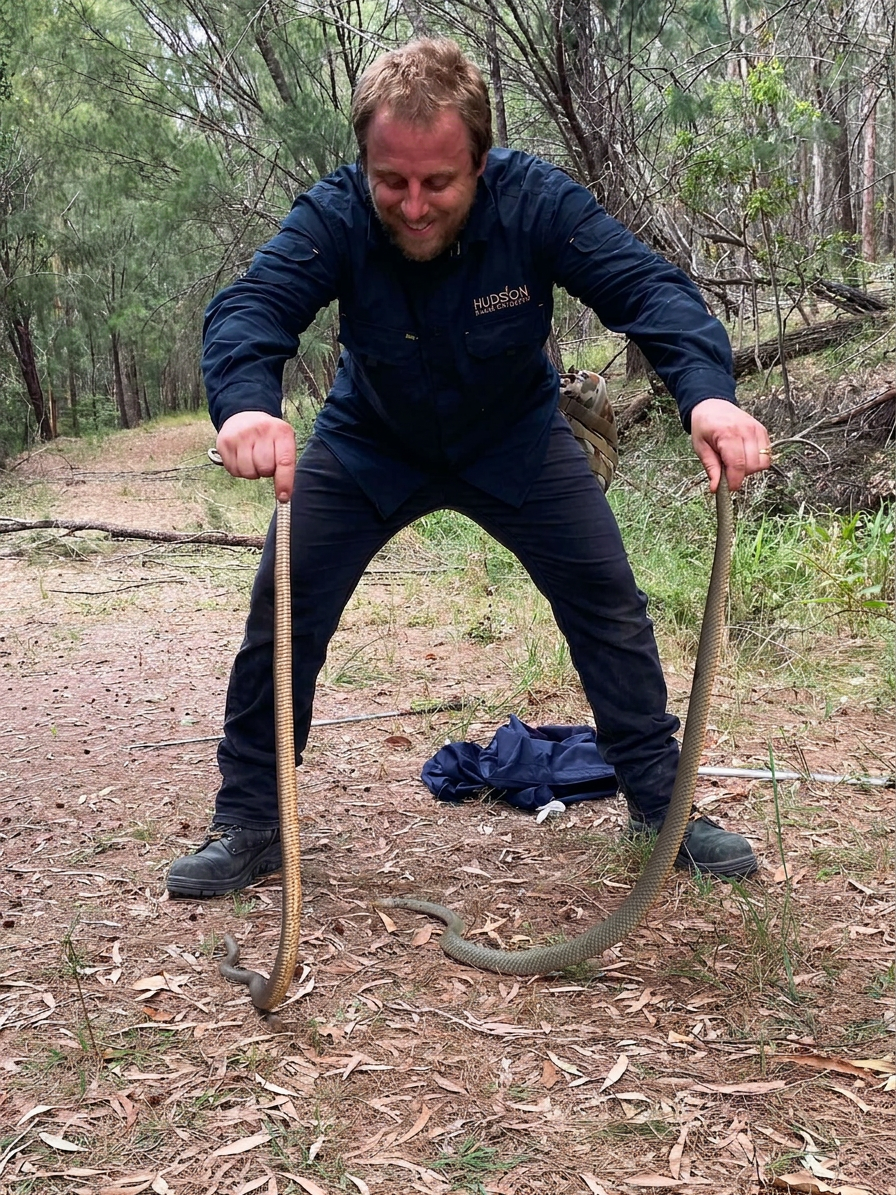
The Eastern Brown Snake (Pseudonaja textilis) is a highly venomous elapid native to eastern and central Australia. It displays considerable variation in colour, ranging from light tan and brown to dark grey, with a slender body, narrow head and cream-coloured underside.
Adults commonly reach 1.2–2.0 metres in length and are most active during the warmer months, inhabiting a wide range of environments including grasslands, woodlands, agricultural areas and urban fringes.
As an opportunistic predator, the Eastern Brown Snake primarily feeds on rodents, making it an important contributor to ecosystem balance and natural pest control. Despite possessing one of the most potent venoms of any land snake, it is generally shy and will typically avoid human interaction unless threatened or cornered.

Venom Potency
CRITICAL ALERT
The Eastern Brown Snake is the second most venomous land snake in the world. Its bite contains neurotoxins and procoagulants. Identification of symptoms is vital:
• Immediate swelling and pain at bite site
• Rapid onset of headache and nausea
• Abdominal pain and coagulation failure
• Sudden collapse or difficulty breathing
• Localised bruising or bleeding
SAFETY PRECAUTIONS
01
Keep a Safe Distance
If you spot an Eastern Brown, stop immediately. Do not approach or attempt to provoke it. Maintain a distance of at least 5 meters at all times.
02
Visual Monitoring Only
Keep eyes on the snake from a distance until professional help arrives. Knowing its last location is critical for a fast and successful relocation.
03
Secure the Area
Ensure all pets and children are moved indoors immediately. Close and seal any open doors or windows near the sighting area.
04
Preventive Maintenance
Reduce snake habitats by keeping grass short, removing debris, and sealing gaps in external walls or under housing structures.
FREQUENTLY ASKED QUESTIONS
What does an Eastern Brown snake look like?
Eastern Browns can vary in color from pale tan to black, but they typically have an orange-buff belly with dark spots. They are slender with a small head and can grow up to 2 meters long.
Are Eastern Brown snakes aggressive?
They are not inherently aggressive but are highly reactive and will defend themselves vigorously if they feel cornered or threatened. If you see one, give it a wide berth and do not try to move it yourself.
What should I do if someone is bitten?
Apply a firm pressure-immobilisation bandage immediately, keep the victim still, and call emergency services. Do not wash the wound or try to catch the snake. Call 000 immediately.
How can I prevent snakes from entering my yard?
Keep your lawn mowed short, clear away debris or woodpiles, and remove pet food that might attract mice—which in turn attract snakes. Sealing gaps in foundations can also help.
Need immediate help with a snake on your property?